Tree Trimming & Pruning - Ground Up Tree Care LLC
Tree Trimming & Pruning
Ground Up Tree Care LLC provides a comprehensive suite of tree services designed to maintain, protect, and improve the tree assets on residential, commercial, and municipal properties throughout Wisconsin Rapids and the surrounding region. Founded in 2017, our crew brings practical experience, professional equipment, and a focus on safety and sustainability. This Services Overview outlines what we offer, why each service matters, and how we approach projects to deliver consistent, cost-effective results.
Why Professional Pruning Matters
Pruning is more than cutting branches; it’s a targeted intervention designed to improve a tree’s growth pattern and reduce structural weaknesses. Incorrect pruning techniques can leave trees damaged, vulnerable to pests, and unattractive. Professional pruning:
Removes decay-infected limbs and deadwood that pose safety risks.
Corrects co-dominant stems and weak crotches to prevent future splitting.
Reduces wind sail by thinning dense crowns, lowering wind-related failure.
Improves light and air penetration, encouraging inner branch growth and reducing disease microclimates.
Enhances flowering and fruit production by selecting appropriate cuts and timing.
Our Pruning Philosophy and Methods
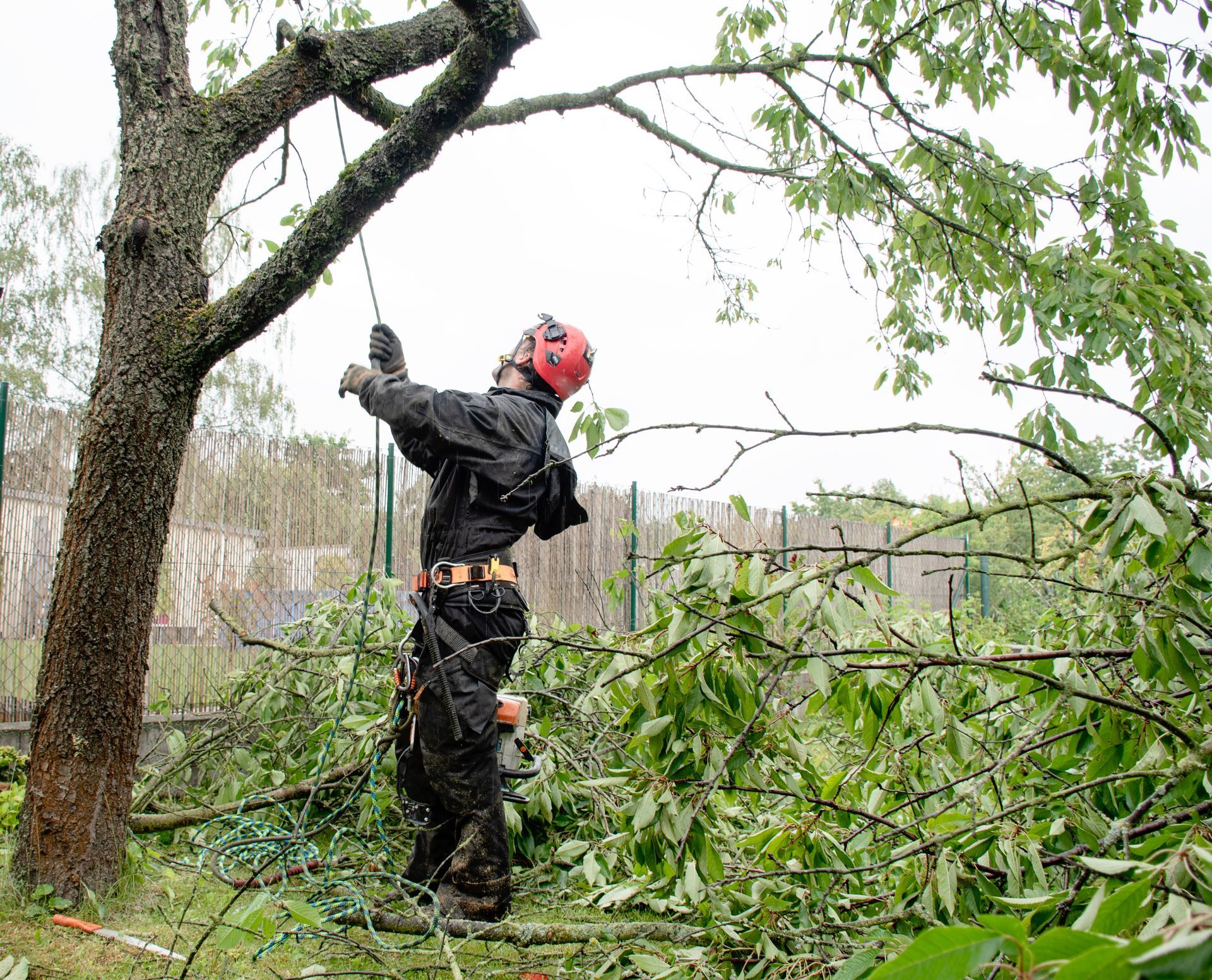
Ground Up Tree Care follows ANSI A300 standards for tree care and adheres to current industry best practices. Our pruning philosophy emphasizes preservation and thoughtful cuts that encourage natural healing. Methods used include:
Crown Cleaning
Removing dead, dying, or diseased branches to improve tree health and reduce hazards.
Crown Thinning
Selective removal of small branches throughout the crown to reduce weight and wind resistance while maintaining form.
Crown Raising
Removing lower limbs to provide clearance for pedestrians, structures, and vehicles.
Crown Reduction
Reducing size of large trees safely where necessary for clearance or to stabilize a canopy.
Structural Pruning
Removing branches to correct weak attachments and competing stems in young trees to promote long-term stability.
Species-Specific Considerations for Wisconsin Rapids
Our arborists tailor pruning strategies to local species, recognizing that timing and technique vary:
Maples
Light pruning in late winter to early spring; avoid heavy pruning in late summer to reduce sap bleed.
Oaks
Prune cautiously outside of late spring to early summer to reduce risk of oak wilt; structural pruning is best in dormant seasons.
Pines and evergreens
Avoid heavy pruning into older wood; thin lower branches to maintain dense canopy.
Fruit trees
Prune in late winter to shape and stimulate productive wood; remove crowded branches for sunlight and air.
When to Prune: Timing and Frequency
Timing depends on species and desired outcomes:
Dormant season (late winter/early spring): Ideal for most deciduous trees to shape and remove structural defects before bud break.
After flowering: For ornamental trees that bloom in spring, prune soon after flowering to preserve blooms next year.
As-needed for hazard removal: Dead or hazardous limbs should be removed promptly regardless of season.
Regular maintenance: Mature landscapes typically benefit from cyclical pruning every 3–5 years depending on growth rate and species.
Benefits of Professional Pruning
Reduced storm damage and liability: Properly pruned trees are less likely to shed large branches during storms.
Improved tree health and longevity: Removing diseased or competing branches encourages healthier growth.
Enhanced aesthetics and property value: Well-shaped trees contribute to curb appeal and property marketability.
Utility and structure clearance: Targeted pruning prevents interference with power lines, roofs, and sidewalks.
Disease and pest prevention: Removing infected limbs early can slow pest and pathogen spread.
How We Execute a Pruning Job
Assessment
We inspect tree health, structure, and location to define objectives and risks.
Pruning plan
We recommend specific pruning types and timing, explaining the rationale and expected outcomes.
Safety planning
For trees near utilities or structures, we create a plan to protect property and people.
Execution
Trained climbers and bucket trucks perform cuts with appropriate tools and methods, minimizing bark damage and ensuring proper cut placement.
Debris handling
Brush is removed via a large grapple truck.
Final inspection
We review cuts and explain aftercare or follow-up needs to the property owner.
Specialized Pruning Services
Young tree training: Shaping young trees to develop a strong structure, preventing costly corrections later.
Veteran tree restoration: Conservatively pruning older trees to extend vitality while respecting historic value.
Storm-damage mitigation: Emergency pruning to remove hazardous limbs and stabilize trees after weather events.
Clearance pruning: Creating required spaces for vehicles, pedestrians, and structures.
Cost Factors and Value
Pruning costs depend on tree size, species, lift or bucket truck requirements, job complexity, and access. While pruning costs may seem significant, the expense is an investment in tree longevity and safety that often prevents much larger future costs for emergency removals or structural failures.
Frequently Asked Questions (Detailed)
Will pruning harm my tree?
When performed correctly, pruning improves tree health and structure. We avoid flush cuts and improper topping that harm trees. Our method ensures proper wound closure and long-term health.
How much crown reduction is safe?
Reductions of more than 25-30% of live crown can be stressful and increase risk. We design reductions conservatively and in stages if significant size reduction is necessary.
How soon can I plant a replacement tree after removal?
Planting timelines depend on species, soil conditions, and use of the site. For many sites, replanting can occur the same season; however, larger construction or stump-grinding work may require additional soil preparation.
Do you handle pruning for utility lines?
For trees near power lines, we coordinate with local utility companies when required and follow safety regulations. Our goal is to provide clearance that complies with regulations and preserves tree health where possible.
Care and Aftercare Recommendations
Mulching: Apply a two-to-four-inch layer of mulch around the root zone, keeping mulch away from the trunk.
Watering: Young trees or recently-pruned specimens may need supplemental watering during dry conditions.
Monitor: Watch for signs of stress or new dieback and contact us for follow-up assessments.
Contact & Scheduling
If your trees require professional trimming or pruning, call Ground Up Tree Care at (715) 570-6162 to schedule an assessment and receive a free on-site estimate. Our certified team will develop a pruning plan that balances safety, aesthetics, and tree health.